
Introduction:
Who Were the Prophets?
The prophets in Scripture were not mere predictors of the future—they were divinely appointed messengers of God, called to speak truth in times of rebellion, revival, and restoration. The lives of the prophets were marked by the power of God. How to Get to Heaven
According to the KJV Bible, a prophet speaks as moved by God (2 Peter 1:21). Their lives were marked by:
- Divine calling
- Bold confrontation of sin
- Deep suffering
- Unwavering obedience
From fire on Mount Carmel to tears in Jerusalem, the prophets lived extraordinary lives that still speak today.
1. Elijah: The Prophet of Fire


4
Key Texts: 1 Kings 17–19, 2 Kings 2
Elijah stands as one of the most dramatic prophets in Scripture.
Key Moments:
- Fed by ravens during famine
- Confronted King Ahab and Jezebel
- Called down fire from heaven
- Experienced burnout and divine restoration
- Taken to heaven in a chariot of fire
Lesson:
God’s power is revealed through bold faith—but even strong men need divine renewal.
2. Jeremiah: The Weeping Prophet


4
Key Texts: Book of Jeremiah, Lamentations
Jeremiah preached for over 40 years with little visible success.
Key Traits:
- Called from youth
- Rejected by his own people
- Imprisoned and persecuted
- Witnessed Jerusalem’s fall
Lesson:
Faithfulness matters more than visible success.
3. Isaiah: The Messianic Prophet


4
Key Texts: Book of Isaiah
Isaiah prophesied more about Christ than any other prophet.
Key Highlights:
- Vision of God’s holiness (Isaiah 6)
- Prophecy of the virgin birth (Isaiah 7:14)
- Detailed suffering servant prophecy (Isaiah 53)
Lesson:
God’s plan of redemption is revealed long before it unfolds.
4. Daniel: The Prophet in Exile

4
Key Texts: Book of Daniel
Daniel remained faithful in a pagan culture.
Key Events:
- Refused to defile himself
- Interpreted dreams and visions
- Survived the lions’ den
- Received end-time prophecies
Lesson:
You can live holy—even in a corrupt culture.
5. Ezekiel: The Prophet of Visions


4
Key Texts: Book of Ezekiel
Ezekiel’s ministry was filled with symbolic actions and visions.
Unique Features:
- Visions of God’s glory
- The valley of dry bones
- Strange prophetic signs
Lesson:
God brings life to what seems completely dead.
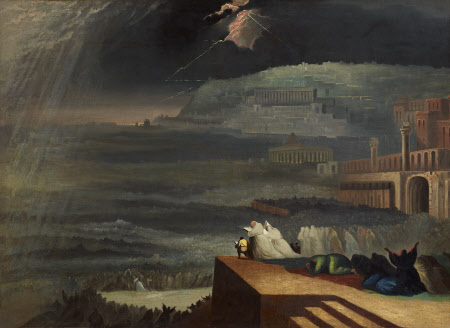
6. Jonah: The Reluctant Prophet


4
Key Texts: Book of Jonah
Jonah ran from God’s calling—but couldn’t escape it.
Key Events:
- Fled from God’s command
- Swallowed by a great fish
- Preached in Nineveh
- Struggled with God’s mercy
Lesson:
God’s grace extends even to those we struggle to love.
Major vs Minor Prophets (Quick Breakdown)
| Category | Prophets |
|---|---|
| Major Prophets | Isaiah, Jeremiah, Ezekiel, Daniel |
| Minor Prophets | Hosea, Joel, Amos, Obadiah, Jonah, Micah, Nahum, Habakkuk, Zephaniah, Haggai, Zechariah, Malachi |
“Minor” refers to length, not importance. How to be Born Again
Key Themes Across the Prophets
- Holiness of God
- Judgment against sin
- Call to repentance
- Promise of restoration
- The coming Messiah
Conclusion: Why the Prophets Still Matter Today
The prophets were not just voices for their generation—they are voices for ours.
Their lives teach us:
- To stand for truth in a compromising culture
- To obey God even when it costs us
- To trust God’s plan even when we don’t understand it
FAQ
Who were the prophets in the Bible?
Prophets were individuals chosen by God to deliver His message to people, often calling them to repentance.
What is the difference between major and minor prophets?
Major prophets wrote longer books; minor prophets wrote shorter ones.
Who is the most powerful prophet in the Bible?
Elijah is often seen as one of the most powerful due to his miracles.
Why were prophets persecuted?
Because they spoke truth against sin, which many people resisted.


